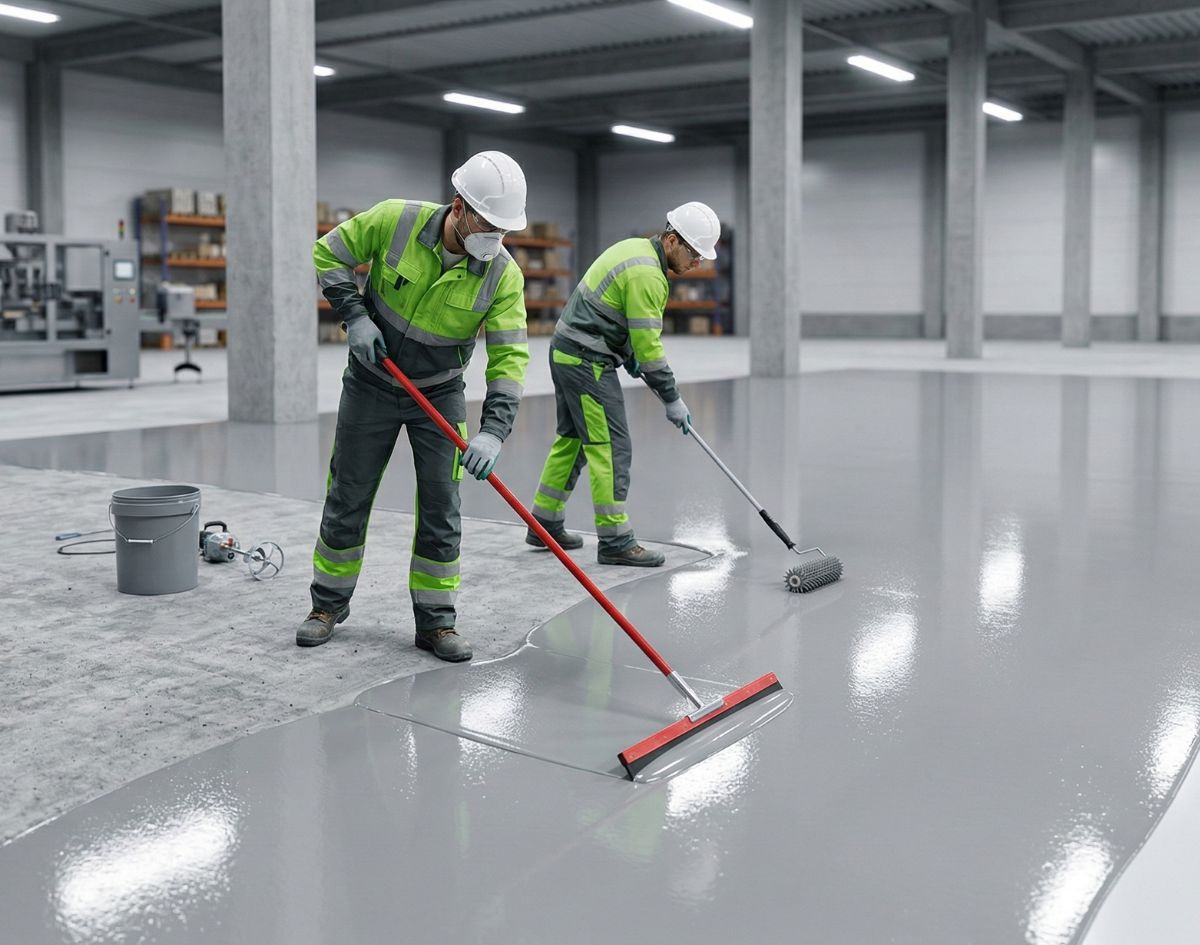

Thermal Insulation Coating in India
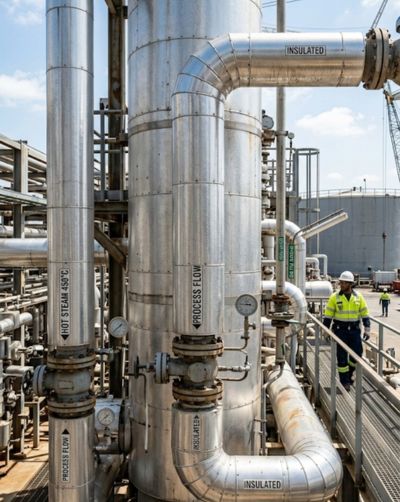
India’s industrial sector is expanding at a remarkable pace, with manufacturing units, processing plants, refineries, warehouses, and infrastructure projects growing across the country. However, with this growth comes a significant challenge—managing heat and energy efficiently. High ambient temperatures, intense solar radiation, and heat-generating machinery often lead to increased operational costs and reduced efficiency.
This is where Thermal Insulation Coating in India plays a transformative role. Designed to minimize heat transfer and improve temperature control, thermal insulation coatings are becoming an essential solution for industries aiming to enhance performance while reducing energy consumption.
What is Thermal Insulation Coating?
Thermal insulation coating is a specialized coating system formulated to reflect, resist, and dissipate heat. Unlike traditional insulation materials such as glass wool or foam, these coatings can be directly applied to surfaces, forming a seamless thermal barrier.
For industrial applications, Thermal Insulation Coating in India is widely used to protect equipment, structures, and storage units from excessive heat exposure. It ensures that internal temperatures remain stable, contributing to improved efficiency and durability.
Importance of Thermal Insulation in Indian Industries
India’s diverse climate conditions—from extreme heat in central regions to humid coastal environments—create unique challenges for industrial operations. Without proper insulation, facilities often face:
- Excessive heat gain in buildings
- Increased load on cooling systems
- Reduced efficiency of machinery
- Thermal stress on structures
- Higher energy bills
By implementing Thermal Insulation Coating in India, industries can effectively manage these issues and create a more controlled working environment.
Key Advantages of Thermal Insulation Coating in India
-
- Energy Conservation
One of the primary benefits is the reduction in energy consumption. By limiting heat transfer, cooling systems operate more efficiently, leading to lower electricity usage.
-
- Improved Equipment Performance
Machines exposed to high temperatures may lose efficiency over time. Thermal coatings help maintain optimal operating conditions.
-
- Reduced Heat Penetration
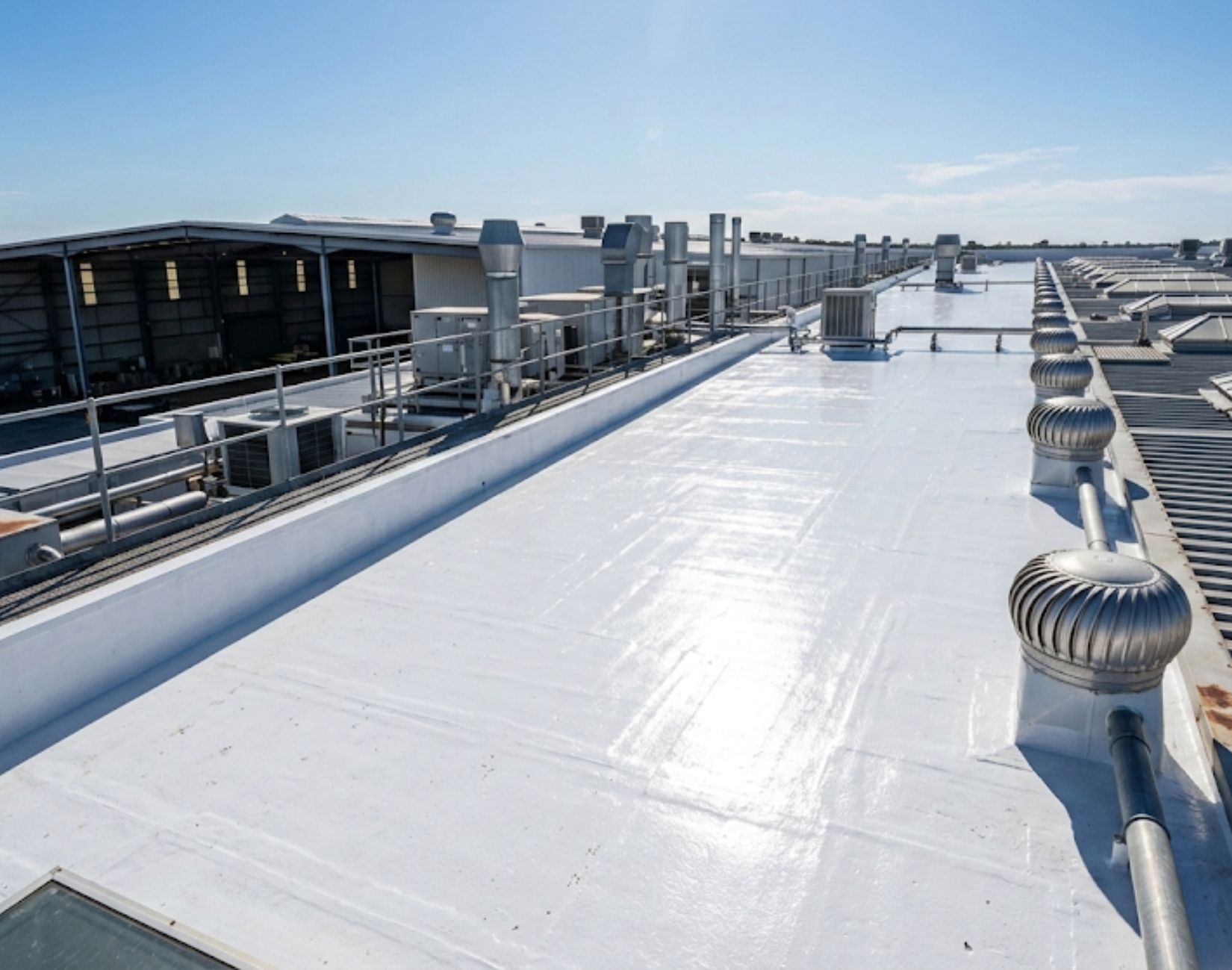
These coatings reflect solar radiation, preventing excessive heat from entering buildings and storage units.
-
- Lightweight Solution
Unlike bulky insulation materials, coatings add minimal weight to structures, making them ideal for retrofitting existing facilities.
-
- Seamless Application
The absence of joints or gaps ensures uniform coverage and eliminates weak points where heat can penetrate.
Industrial Applications Across India
-
- Manufacturing Units
Factories with heavy machinery generate significant heat. Thermal coatings help regulate temperature and improve productivity.
-
- Warehouses and Storage Facilities
Temperature-sensitive goods require stable conditions. Insulation coatings help maintain consistent internal temperatures.
-
- Oil & Gas Industry
Pipelines, storage tanks, and processing units benefit from thermal protection, ensuring operational safety and efficiency.
-
- Power Plants
Thermal coatings are used to reduce heat loss and improve energy efficiency in power generation facilities.
-
- Food Processing Industry
Maintaining hygiene and temperature control is crucial, making thermal insulation coatings highly valuable.
How Thermal Insulation Coating in India Works
The effectiveness of Thermal Insulation Coating in India lies in its advanced composition. These coatings typically contain ceramic or specialized insulating particles that:
- Reflect radiant heat
- Reduce conductive heat transfer
- Emit absorbed heat efficiently
This multi-functional approach ensures comprehensive thermal protection for industrial surfaces.
Suitable Surfaces for Application
Thermal insulation coatings can be applied to a wide range of surfaces, including:
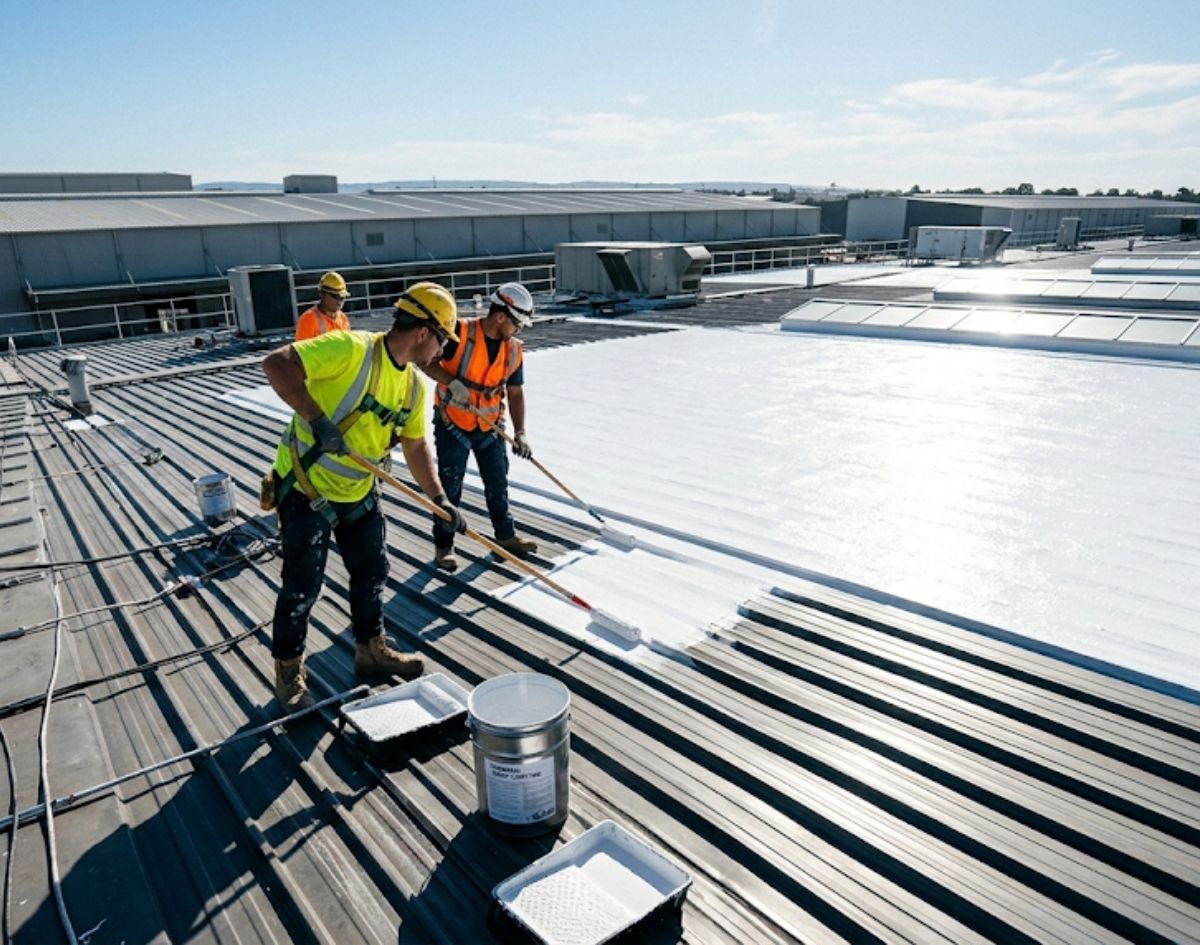
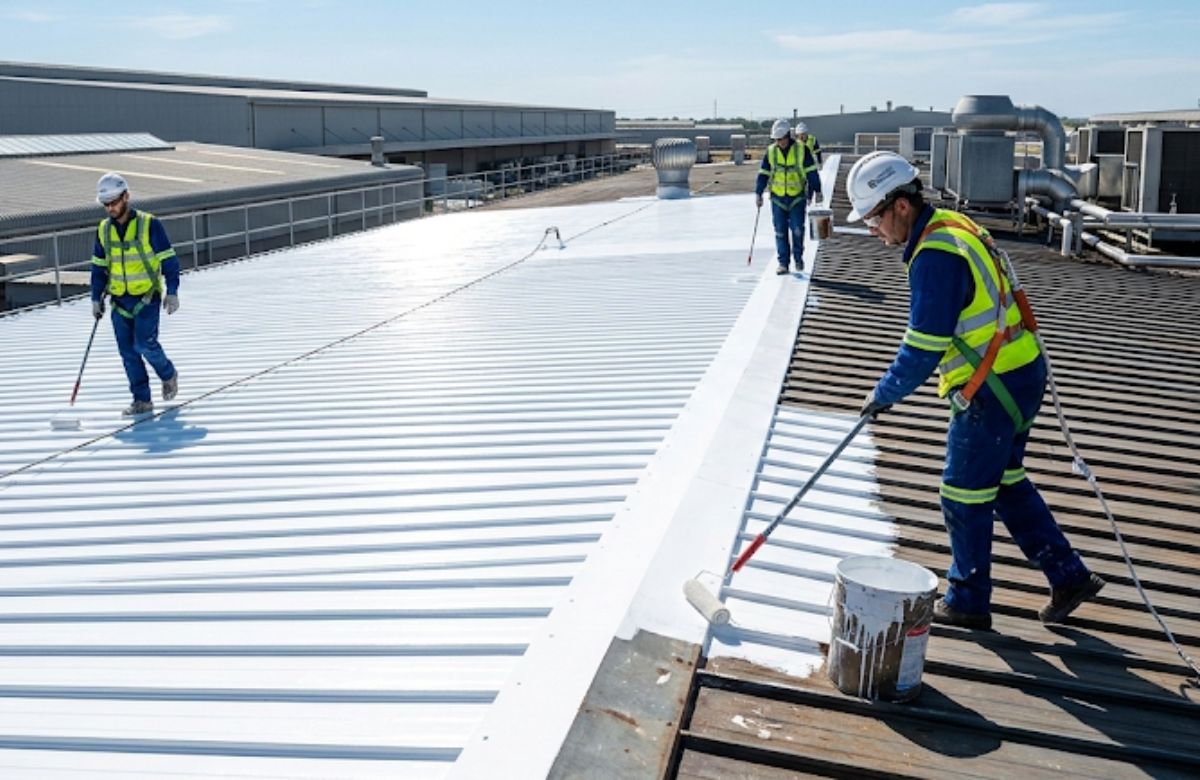
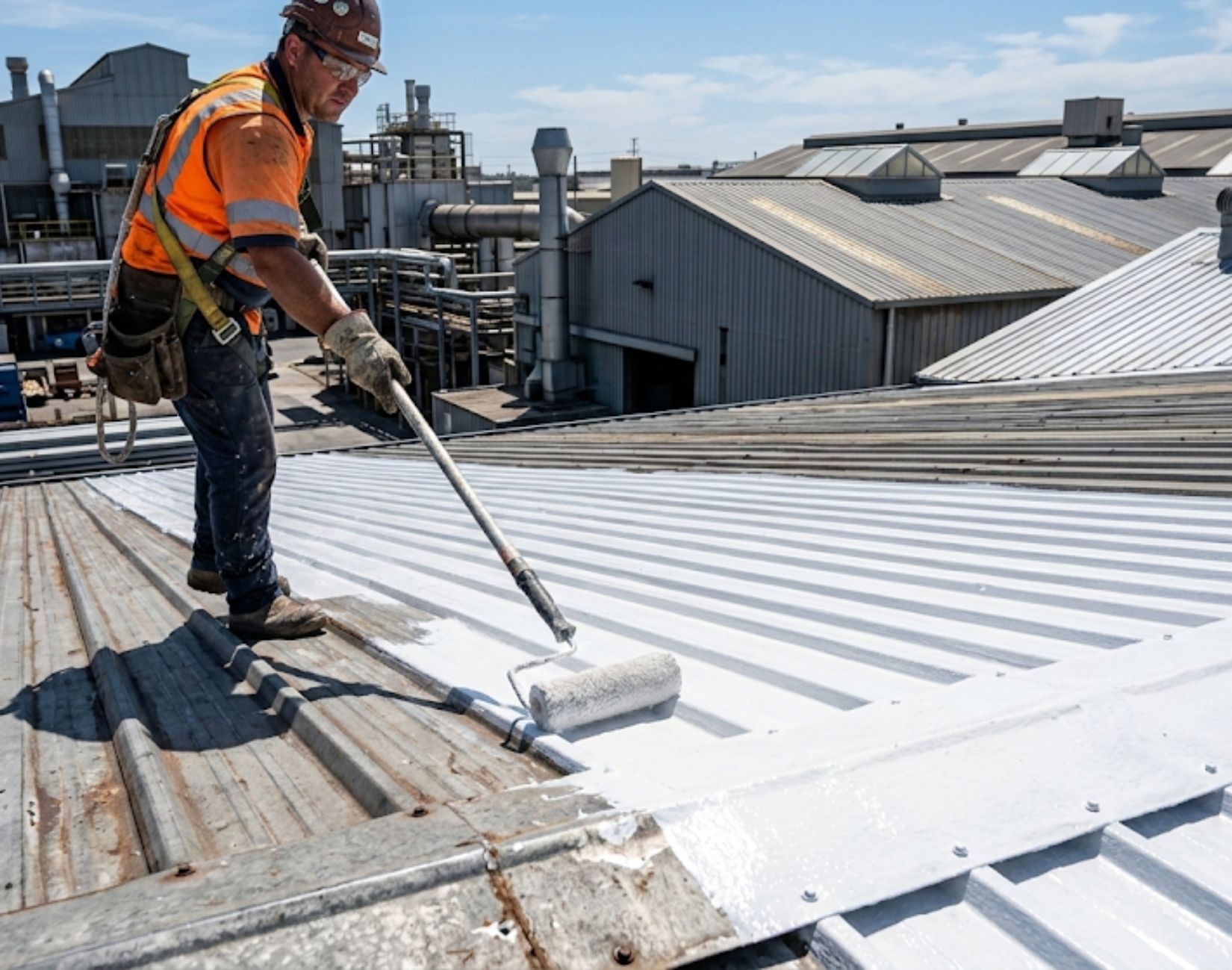
- Metal roofs and walls
- Concrete structures
- Storage tanks
- Pipelines and ducts
- Industrial equipment
This versatility makes them suitable for various industrial environments across India.
Application Process
A systematic application process is essential for achieving optimal results:
-
- Surface Cleaning
All dust, grease, and contaminants are removed to ensure proper adhesion.
-
- Surface Preparation
Depending on the condition, methods like sanding or blasting are used to prepare the substrate.
-
- Primer Application
A compatible primer is applied to enhance bonding and durability.
-
- Coating Application
The thermal insulation coating is applied in multiple layers using spray or roller techniques.
-
- Drying and Curing
Adequate curing time is provided to achieve maximum performance.
Factors Influencing Performance
-
- Climatic Conditions
Temperature and humidity during application can affect the curing process and overall effectiveness.
-
- Coating Thickness
Proper thickness is crucial for achieving desired insulation properties.
-
- Surface Type
Different substrates may require specific preparation methods and coating systems.
-
- Maintenance Practices
Regular inspection and upkeep ensure long-term performance.
Why Industries Prefer Thermal Insulation Coating in India
Industries across India are increasingly adopting thermal insulation coating in India due to their practicality and efficiency. Unlike conventional insulation systems, these coatings offer:
- Easy application on complex surfaces
- Reduced installation time
- Minimal maintenance requirements
- Long-lasting performance
- Cost-effective energy savings
This makes them a preferred choice for both new projects and renovation work.
Environmental Benefits
Sustainability is becoming a key focus for industries in India. Thermal insulation coating in India contributes to environmental conservation by:
- Reducing energy consumption
- Lowering carbon emissions
- Improving overall energy efficiency
These benefits align with global sustainability goals and government initiatives promoting energy conservation.
Maintenance and Longevity
Thermal insulation coating in India is designed for durability, but regular maintenance enhances their lifespan:
- Periodic cleaning to remove dirt and debris
- Inspection for surface damage
- Timely repairs or recoating if required
With proper care, these coatings can provide long-term thermal protection.
Choosing the Right Thermal Insulation Coating
Selecting the appropriate coating system depends on:
- Type of industry
- Operating temperature range
- Environmental exposure
- Surface material
- Budget considerations
Consult Weather Fighter who ensures that the most suitable solution is chosen for specific requirements.
Challenges Solved by Thermal Insulation Coating
-
- Heat Build-Up in Structures
Industrial buildings often trap heat, making working conditions uncomfortable. Coatings help maintain cooler interiors.
-
- Energy Loss
Uninsulated surfaces lead to energy wastage. Thermal coatings minimize this loss.
-
- Equipment Overheating
Excessive heat can damage machinery. Insulation coatings protect equipment and extend its lifespan.
-
- Inconsistent Temperature Control
Maintaining uniform temperatures is crucial in many industries. Thermal coatings ensure stability.
Future Scope in India
As India continues to industrialize, the demand for energy-efficient solutions is expected to grow. Innovations in coating technology are leading to:
- Advanced nano-insulation coatings
- High-performance ceramic systems
- Multi-functional coatings with added properties
These developments will further enhance the effectiveness of Thermal Insulation Coating in India, making it a vital component of modern industrial infrastructure.
In a country like India, where industries operate under diverse and often extreme climatic conditions, managing heat efficiently is essential. Thermal Insulation Coating in India offers a smart, reliable, and cost-effective solution to address these challenges.
From improving energy efficiency to protecting equipment and enhancing working conditions, thermal insulation coatings provide multiple benefits that contribute to long-term industrial success. By investing in the right coating system and ensuring proper application, industries can achieve superior performance, reduced operational costs, and sustainable growth.
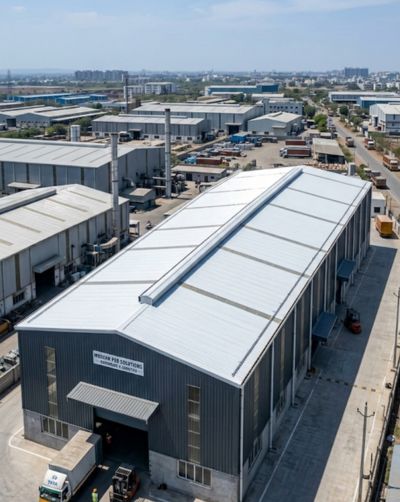
Heat Insulation Coating in Mumbai – Smarter Way to Control Heat & Improve Comfort
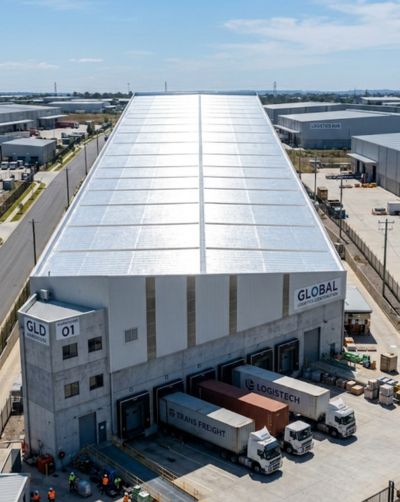
Heat Insulation Coating in Nagpur – Smarter Surface Protection for Extreme Heat Conditions
Heat Insulation Coating in Nashik – Smarter Temperature Control for Buildings & Industries
Heat Insulation Coating in Pune – Smarter Thermal Protection for Buildings & Industries
Heat Insulation Coating in Rajkot – Smart Protection Against Extreme Heat
Heat Insulation Coating in Sangli – Practical Solution for Heat Control & Energy Efficiency
Heat Insulation Coating in Vapi – Advanced Thermal Protection for Industrial & Commercial Spaces
Industrial PU Flooring in India for Factories, Warehouses & Commercial Facilities

PU Flooring in Bangalore – High-Performance Polyurethane Systems for Modern Infrastructure